Learn Winning Poker Tactics Through Bluffing
29 July 2026 | 336
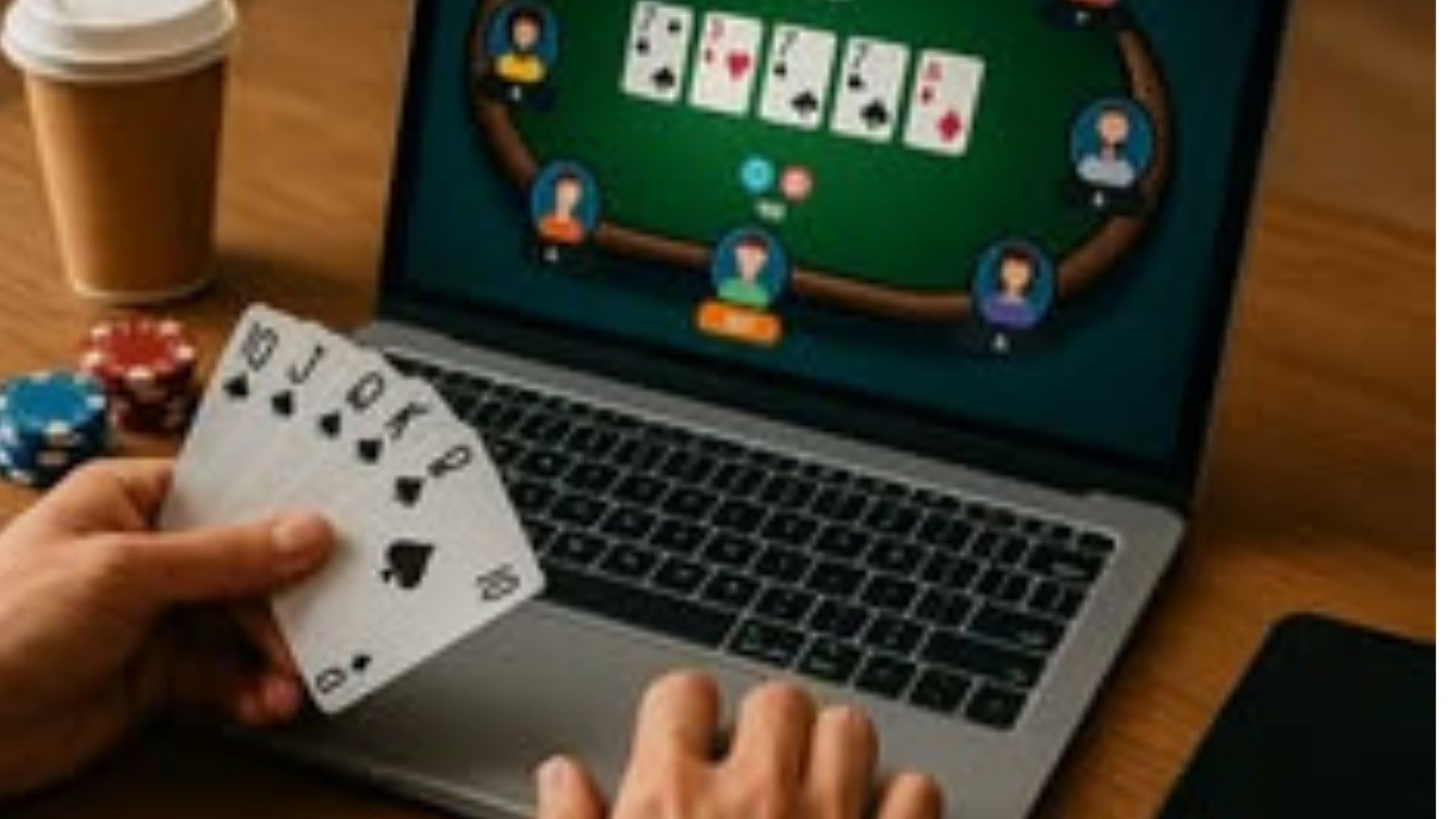
Mastering the art of misdirection is a defining characteristic of highly successful card players globally. Integrating well-timed bluffs into your standard strategy transforms basic gameplay into a formidable psychological tool. By understanding when and how to deceive your opponents, you can consistently capture pots even without holding the best hand.
The Psychology of Deception at the Table
Executing a successful bluff relies heavily on establishing a credible narrative that your opponents will believe. Your table image, which is built over many consecutive rounds, dictates how rivals perceive your sudden aggressive betting actions. If you have maintained a tight image, players are far more likely to respect your sudden raises.
Emotional control serves as the backbone of any deceptive strategy during high-stakes matches. Maintaining a consistent demeanor prevents experienced adversaries from reading your physical tells or detecting nervous anxiety. Consistent practice allows you to project absolute confidence regardless of your actual card strength.
Evaluating Seating and Positional Leverage
Table position plays a monumental role in determining the success rate of any strategic bluff. Acting last gives you the distinct advantage of observing how every other player reacts to the community cards first. This extra accumulation of data allows you to exploit weakness when everyone ahead of you checks.
Conversely, attempting a bluff from an early position carries a much higher level of inherent risk. You must navigate the remaining players who are still left to act behind you in the round. Savvy competitors generally reserve their theatrical plays for moments when they hold positional superiority over the table.
Reading Table Dynamics and Opponent Tells
Accurately deciphering individual player profiles is essential before executing any major deceptive maneuver. For players seeking deeper insights into professional gameplay patterns, visiting resources like m88 mansion indo can provide valuable foundational knowledge. Recognizing behavioral shifts helps in determining which opponents are prone to folding under intense pressure.
Targeting chronic callers with a bluff is often a recipe for financial disaster at the table. These individuals rarely fold their pairs, making them poor choices for advanced psychological plays. Instead, focus your efforts on tight, analytical opponents who actively respect scare cards and large bets.
Managing Risk and Bankroll Calculations
Deception should never be treated as reckless gambling or random guesswork during a competitive match. Every move must be backed by solid mathematical reasoning, pot odds evaluations, and strict bankroll boundaries. Calculating the precise ratio of risk to reward prevents sudden depletion of your available chip stack.
Incorporating semi-bluffs provides an excellent safety net because it gives you multiple avenues to achieve victory. Having drawing live outs means you can still win the pot by hitting your hand even if the opponent decides to call. Balancing these structural elements effectively separates elite card strategists from casual poker enthusiasts.