Educational Probability Games Worth Exploring
21 July 2026 | 235
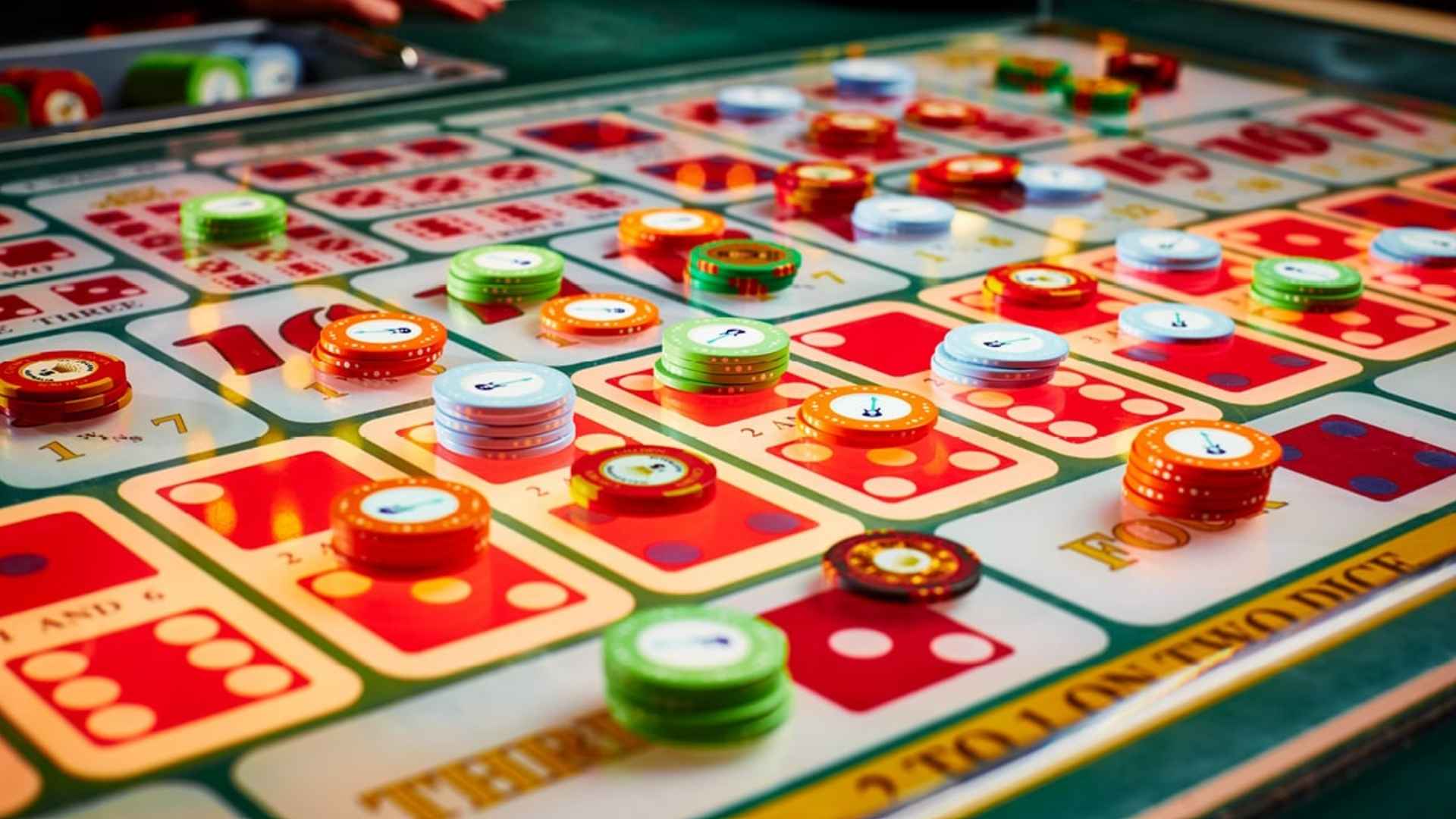
Mastering the mathematical principles of chance often requires more than traditional textbook formatting and static lecture styles. By introducing interactive elements into the learning environment, educators can easily transform complex statistical theories into engaging lessons. These specialized learning tools provide an optimal framework for students to naturally develop an intuitive understanding of risk and reward systems.
The Core Value of Active Class Simulations
Interactive environments provide immediate analytical feedback, allowing learners to observe theoretical statistics unfold in real time. Engaging with hands-on challenges helps shift a student's general perspective from relying purely on luck to making calculated data decisions. This supportive approach effectively bridges the gap between complex academic theories and practical everyday applications.
Many contemporary digital platforms leverage these structural systems to build highly immersive environments for users around the globe. When researching various strategic setups online, visiting a platform like m88 mansion indo can provide an excellent reference point for observing how virtual randomized systems are constructed. Familiarizing yourself with these structured processes serves as an excellent foundational milestone toward building robust critical thinking tools.
Classic Tabletop Variations for Younger Minds
Traditional board games and simple dice challenges serve as an exceptional introduction to basic mathematical distributions. By keeping track of specific numerical combinations over multiple rounds, children learn how to recognize hidden structural patterns without academic stress. These collaborative activities naturally spark meaningful conversations regarding independent occurrences and conditional outcomes among peers.
Card-based exercises also present a fantastic opportunity to demonstrate the delicate shifting of real-time fractional likelihoods. Every separate deal or shuffle alters the remaining variables in the deck, forcing players to adjust their expectations dynamically. This fluid cognitive exercise trains the human brain to process strategic choices rather than acting purely on emotional intuition.
Enhancing Statistical Literacy Through Play
Developing strong statistical reasoning skills prepares individuals to navigate various modern professional environments with greater confidence. By routinely evaluating random occurrences in a safe gaming setting, students become highly adept at calculated risk assessment. This long-term educational methodology ensures that abstract equations translate into practical mental instruments for daily life.
Ultimately, integrating elements of chance into the standard curriculum removes the widespread anxiety often associated with quantitative science. Instructors can foster long-term mathematical curiosity by choosing interactive challenges that match the cognitive stage of their group. With consistent exposure, the fascinating dynamics of probability transform from intimidating formulas into highly accessible knowledge.