Dominoes Match Preparation Made Simple
18 July 2026 | 244
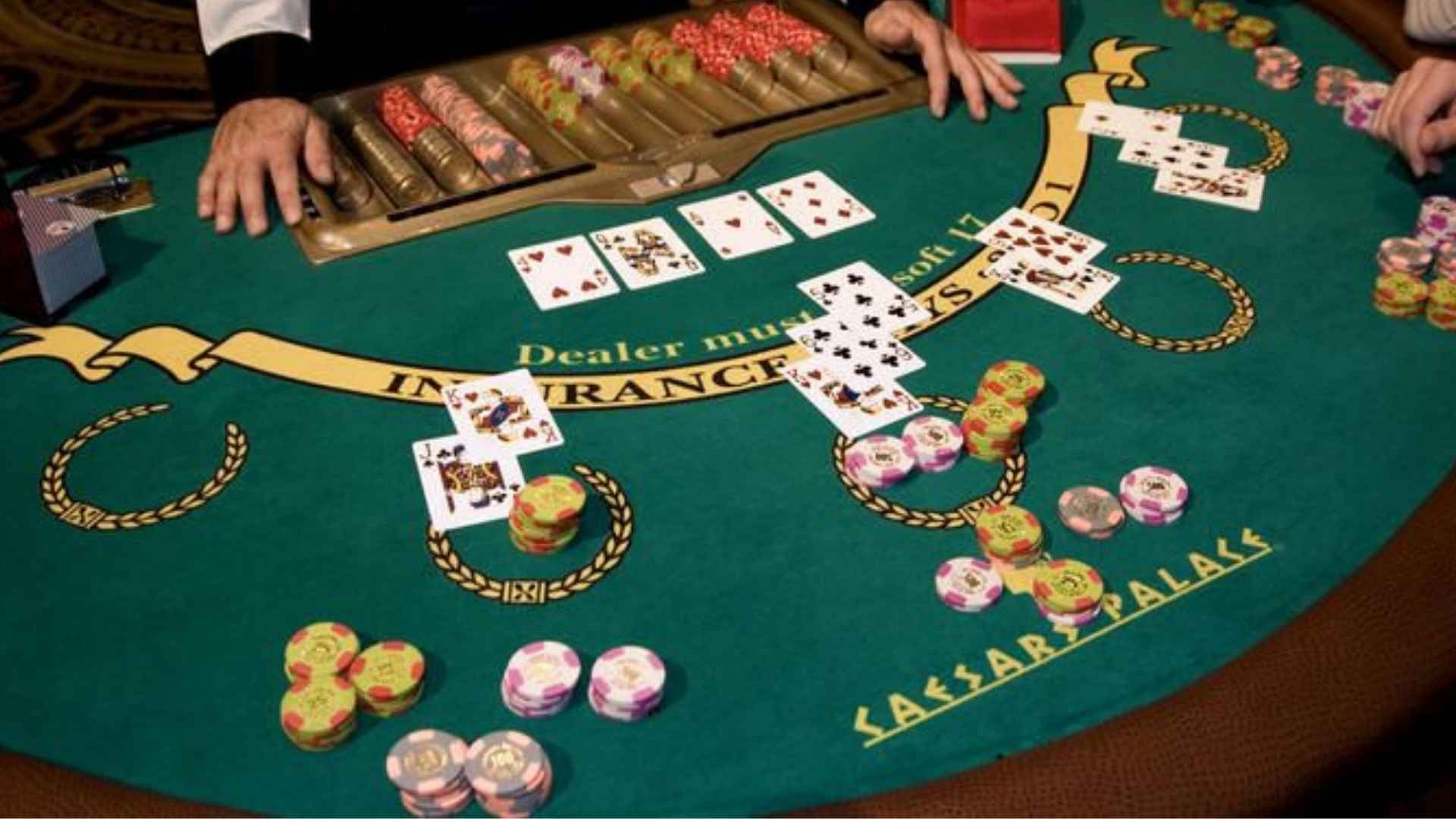
Preparing for a dominoes match involves more than simply throwing pieces onto a table. A seamless setup establishes a focused environment where players can fully immerse themselves in strategy and skillful calculation. By organizing the playing space ahead of time, you minimize distractions and ensure a fluid transition into competitive play.
Setting the Physical Environment and Playing Surface
The foundation of any great match begins with selecting an appropriate, flat surface that accommodates all participants comfortably. Wooden or felt-covered tables are highly preferred because they reduce the slippery movement of the bones during intense shuffles. Adequate overhead lighting is also critical to ensure every player can clearly read the pips without straining their eyes.
In addition to the table itself, keeping the surrounding area tidy prevents accidental disruptions when a round gets lively. Players should have enough personal space to arrange their drawn hands securely away from wandering eyes. Establishing these basic environmental boundaries promotes a more professional and respectable gaming atmosphere for everyone involved.
Shuffling Mechanics and Handling the Boneyard
Properly mixing the tiles ensures absolute fairness and unpredictability from the very first turn. All twenty-eight pieces must be placed face down and thoroughly circulated using flat palms in a smooth, circular motion. This process ensures that no single participant can track the movement of specific high-value pieces or doubles.
Once the shuffle is complete, the remaining unselected pieces form the central pool traditionally known as the boneyard. For those interested in tracking strategic statistics or exploring digital gaming setups, utilizing modern resources via the m88 link mobile application can offer advanced operational insights. Keeping this drawing pile neatly clustered in the center ensures it remains within easy reach of all players throughout the session.
Establishing Initial Turn Rules and Hand Selection
After a clean shuffle, each participant draws a set number of tiles based on the specific variant being played. In a standard two-player encounter, each individual takes seven tiles while keeping their numbers hidden from the opponent. Managing your hand discreetly is an essential skill that prevents competitors from anticipating your defensive blocks.
Determining who makes the opening move follows a structured hierarchy to maintain competitive integrity across multiple rounds. Usually, the individual holding the heaviest double tile earns the right to lay down the first piece in the center. If no doubles are present in either hand, players evaluate their highest single tile to decide who initiates the action.
Managing Scorekeeping and Match Objectives
A successful match requires a clear, transparent method for tracking cumulative points across consecutive rounds. Designating a dedicated scorekeeper who uses a simple pad or digital tool prevents unnecessary disputes as the game reaches its climax. Points are traditionally calculated based on the remaining pips left in the losers' hands at the end of a round.
Most traditional matches establish a target goal, such as reaching one hundred or two hundred points, to determine the ultimate victor. Having this clear objective from the start helps players adapt their strategies between aggressive point-scoring and defensive blocking. Clear preparation guarantees that the focus remains entirely on tactical mastery and intellectual fun.